OH technology against viruses: Tests
One of the many great ways that OH technology can be used is for virus removal. This process can be divided into two different approaches and viruses: enveloped viruses and non-enveloped viruses. The main difference between them is that enveloped viruses have a protein matrix surrounding the nucleic acid (virus genetic information, RNA). Despite expectations, this matrix is especially sensitive to external agents, such as oxidation.
The Advanced Oxidation Process (POA),which is based on hydroxyl radicals, attacks both types of viruses, but in a different way for each:
- Enveloped virus: Hydroxyl Radicals react with the fatty acid chains within the envelope (lipid reaction). This reaction couses the membrane to break down, which produces an antioxidant reaction within the virus and accelerates the destruction process (indirect protein oxidation reaction produced by lipid peroxidation) by altering its genetic information.

- Non-enveloped viruses: Oxidation directly attacks the virus's genetic information (direct protein oxidation reaction produced by lipid peroxidation), making it useless and leaving it on the edge of destruction.
In order to determine the effectiveness of the OH technology, the Laboratory of Virus, Contaminating of Water and Food at the University of Barcelona has carried out a number of tests on different viruses and humidity conditions:
- Syncytial RSV:
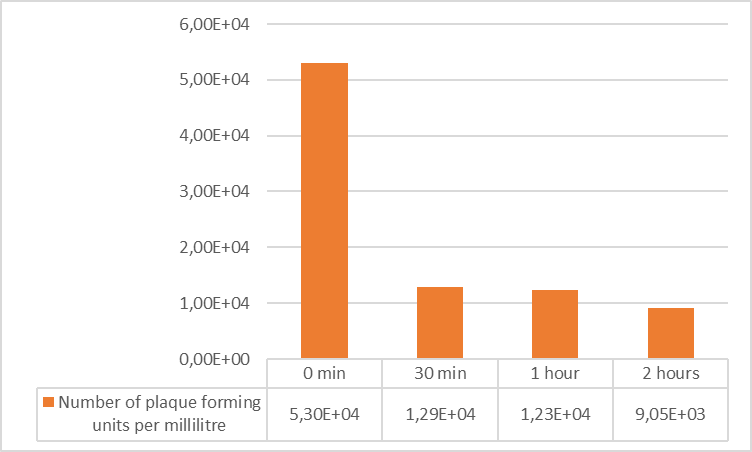 Graph 1. Reduction in concentration levels of RSV Syncytial plaque forming, units per millilitre (PFU / ml) in dry medium.
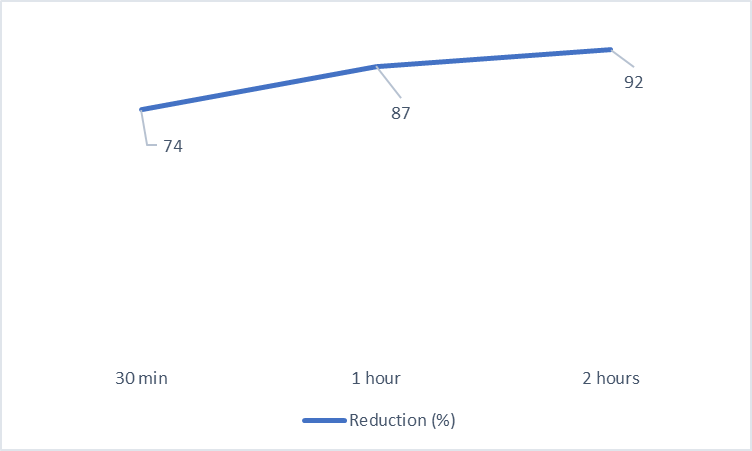 Graph 2. Reduction in concentration levels of RSV Syncytial plaque forming, units per millilitre (PFU / ml) in dry medium.
- Rotavirus:
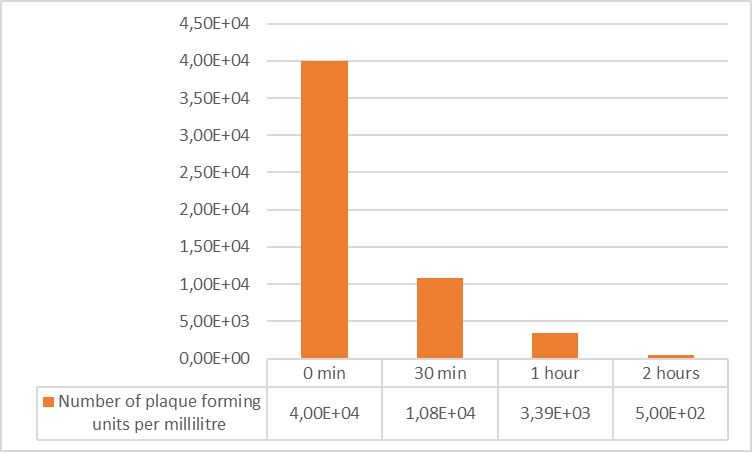 Graph 3. Reduction in concentration levels of Rotavirus plaque forming, units per millilitre (PFU / ml) in dry medium.
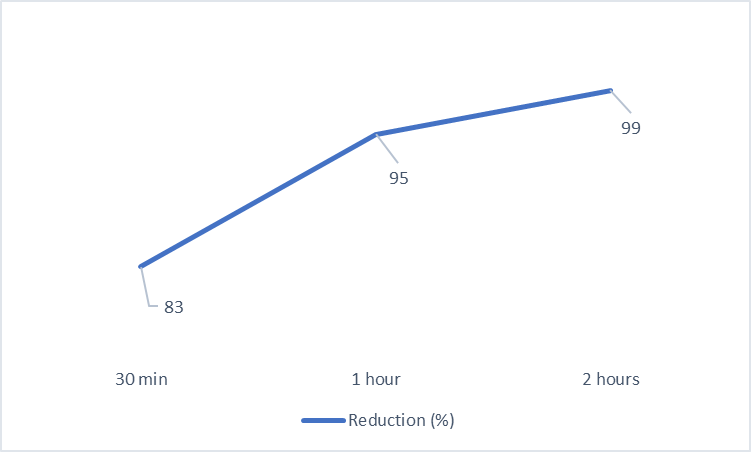 Graph 4. Percentage reduction of concentration levels of plaque forming, units of Rotavirus in dry medium.
- Coxsackievirus:
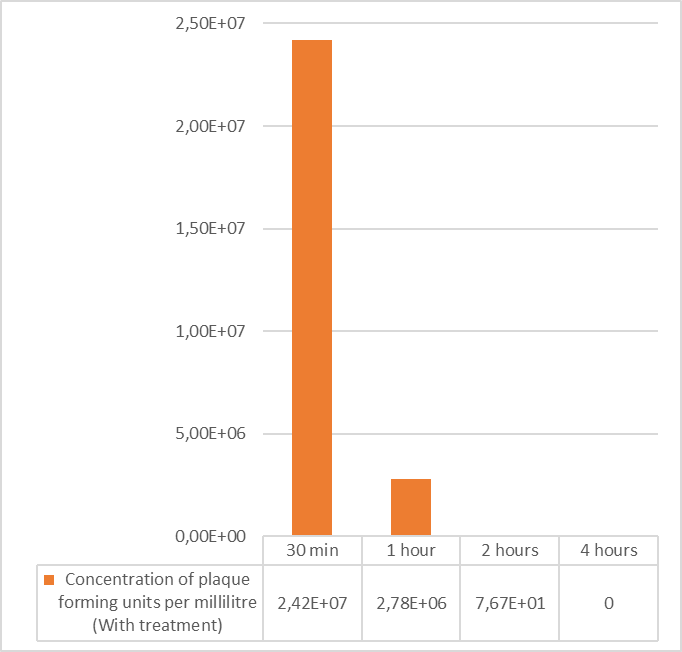 Graph 5. Reduction in concentration levels of Coxsackievirus plaque forming, units per millilitre (PFU / ml) in dry medium.
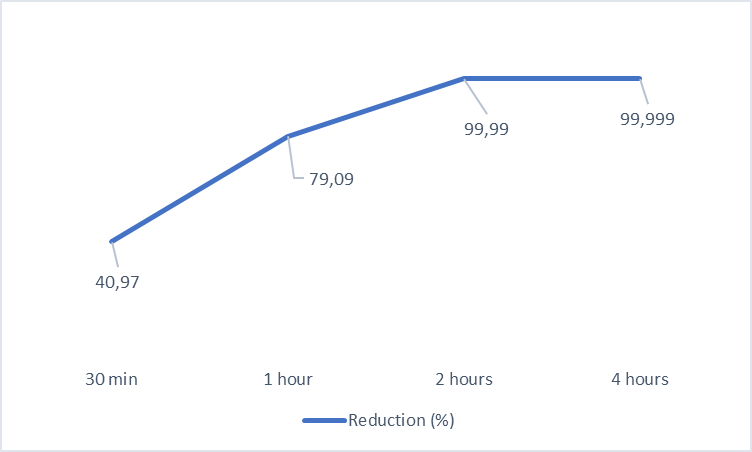 Graph 6. Percentage reduction of concentration levels of Coxsackievirus plaque forming, units in dry medium.
The results of these tests demonstrate that OH technology is effective in fighting against and eliminating viruses, as the oxidation process will behave similarly in all viruses that share a similar morphological structure.